When it comes to tracking student reading progress, the Lexile reading level is one of the most widely used tools. It offers a measurable way to match readers with texts that are appropriate for their reading ability. By understanding Lexile levels and how they relate to grade levels, educators and parents can support students on their reading journeys with confidence.
What Is a Lexile Reading Level?
Lexile dra reading levels are part of the Lexile Framework for Reading, developed by MetaMetrics. A Lexile measure indicates both the difficulty of a text and a student’s reading ability. The scale ranges from below 200L for beginning readers to above 1600L for advanced readers. The Lexile level is determined by factors such as sentence length and word frequency.
How Lexile Levels Are Assigned
Students usually receive a Lexile measure after taking a standardized reading assessment. The score is then used to suggest books and articles within a suitable reading range, helping the student improve without being overwhelmed. Texts also have Lexile scores, allowing a more personalized match between reader and material.
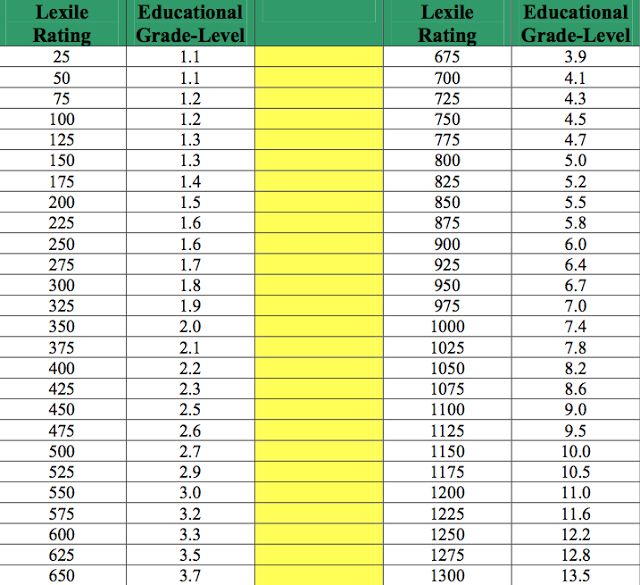
Lexile Reading Levels by Grade Chart
To help visualize how Lexile scores correspond to grade levels, the following chart provides an average Lexile range for each grade. Keep in mind that individual student levels may vary widely.
Average Lexile Ranges by Grade
- Kindergarten: BR (Beginning Reader) – 300L
- 1st Grade: 200L – 500L
- 2nd Grade: 300L – 600L
- 3rd Grade: 500L – 800L
- 4th Grade: 600L – 900L
- 5th Grade: 700L – 1000L
- 6th Grade: 800L – 1050L
- 7th Grade: 850L – 1100L
- 8th Grade: 900L – 1150L
- 9th Grade: 1000L – 1200L
- 10th Grade: 1020L – 1250L
- 11th Grade: 1050L – 1300L
- 12th Grade: 1060L – 1320L+
What “BR” Means in Lexile Levels
For Kindergarten and very early readers, the Lexile scale includes “BR” levels, which stands for “Beginning Reader.” These scores fall below 0L and are used to indicate that a student is still developing basic reading skills.
Using Lexile Levels to Support Students
Knowing a student’s Lexile level can guide decisions about which books or texts to provide. The goal is to challenge the student slightly—texts should be just hard enough to promote learning without causing frustration.
Finding the Right Book Level
The ideal reading material usually falls within a student’s Lexile range, which is typically 100L below to 50L above their current Lexile measure. For example, if a child has a Lexile measure of 750L, their reading range would be from 650L to 800L. Books within this window help build skills while maintaining interest.
Encouraging Growth Across the Grades
Students don’t all progress at the same rate, and that’s okay. A 5th grader might have a Lexile score similar to a 7th grader or a 3rd grader. The key is to focus on individual growth. Parents and teachers should regularly monitor Lexile scores to adjust reading materials as needed.
How to Check a Book’s Lexile Level
If you’re unsure about a book’s Lexile level, the official Lexile website offers a tool called “Find a Book.” You can enter a book title to see its Lexile score, or browse books by Lexile range. Many educational apps and library databases also include Lexile information in their listings.
Benefits of Using Lexile Charts
Lexile charts offer several benefits for students, teachers, and parents alike:
- Personalized Reading: Ensures students are reading texts at the right difficulty level.
- Measurable Progress: Helps track improvement over time.
- Informed Instruction: Enables teachers to plan lessons and assignments more effectively.
- Parental Involvement: Gives parents a clear tool to support reading at home.
Limitations to Keep in Mind
While Lexile levels are a useful tool, they are not perfect. They don’t take into account content complexity, themes, or a reader’s interests. A book with a lower Lexile level might still be engaging and challenging due to its vocabulary or storyline. Always consider context when selecting reading material.
Final Thoughts
Understanding Lexile reading levels by grade can be a game-changer for supporting literacy development. The Lexile chart provides a helpful guideline, but the most important thing is to encourage a love of reading. When students are matched with books that interest and challenge them, their reading skills—and confidence—will grow naturally.
 Lexile Reading Levels by Grade Chart